



The Pros and Cons of Solar Panels
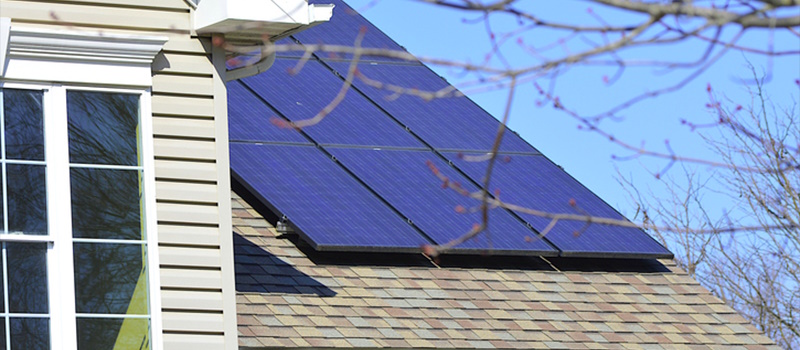
The Pros and Cons of Solar Panels
Installing a solar panel system in your home is a decision that comes with a lot of important things to consider. Like most major life decisions, there are both benefits and drawbacks to consider.
To help you decide if solar panels are the right choice for you, here are the most important pros and cons.
Solar Panel Pros
From free energy to a smaller carbon footprint, solar panels offer a lot of advantages. Here's a quick breakdown of the biggest benefits you can expect from installing a solar panel system:
- Lower Electricity Bills: Installing solar panels can potentially mean the end of electric bills. This ultimately depends on factors like your location and how much energy you use, but solar panels will at least substantially decrease how much electricity you have to purchase. And, during months when you produce more power than you use, you may be able to sell the excess energy back to your utility company.
- Increased Home Resale Value: Like any major improvement to a house, installing solar panels could boost a home's resale value. Homes with a solar panel system tend to sell faster and sell for more money than those without one.
- Lower Carbon Footprint: Solar energy is clean and sustainable, making home solar panels a great way to reduce your environmental impact.
- Federal Tax Credits: The federal government offers a tax credit equal to 30 percent of the system's total installation expense. This essentially means that almost one-third of the cost to install a solar panel system is funded right from the start. However, this policy is subject to change.
Solar Panel Cons
Solar panels offer substantial benefits, but they come with some drawbacks as well:
- High Upfront Expense: While the cost of solar panels is falling, installing a solar panel system is still a big investment. On average, it costs about $30,000, not taking the federal tax credit into account.
- Not an Ideal Fit for Every Home: If your house is in an area that has a lot of cloudy days, solar panels may not produce enough energy to cover your needs. Other factors can also make a home more or less suitable for solar panels, including things like the slope of its roof and the direction that the roof faces.
- Increased Property Taxes: Since solar panels increase the value of a home, you may find yourself paying more property taxes than you did before you installed the system.
So, Are Solar Panels Worth It?
There is no cut-and-dried answer as to whether solar panels are worth the cost. While most systems do end up paying for themselves in the long run, it's still important to carefully consider your own situation before making a decision.
If you decide to invest in a solar panel system, having the right homeowners insurance policy becomes even more important. Be sure to talk with your insurance agent about solar panel and roof coverage to ensure that your investment is protected.