



Cybersecurity Risks and How to Avoid Them
Cybersecurity Risks and How to Avoid Them
Cybercrime continues to have a financial impact worldwide and the potential for profit can be what attracts criminals each and every day. Explore some of the most common cyber scams and how you can help protect yourself.
Malware
Malware can refer to anything from ransomware to spyware and viruses. Malware often relies on software vulnerabilities, such as access control misconfigurations. For example, you may use a security program to limit the sites your children use, and scammers will look for common gaps in the software and attempt to exploit them.
As one of the most common cyber threats, malware can be used to steal information, disrupt systems, or gain unauthorized access to devices. To reduce your risk, keep your software updated, use reputable security software, and exercise caution when downloading files, clicking links, or installing unfamiliar AI tools and browser extensions.
Phishing
Phishing scams coax sensitive information - such as logins, passwords, and other financial details - from individuals by pretending to represent an authority. Today's phishing attacks can arrive through email, text messages, QR codes, social media, and even AI-generated voice calls that impersonate trusted contacts.
For example, you might get an email - supposedly from your boss - asking you to relay your account numbers because there's a problem with your direct deposit.
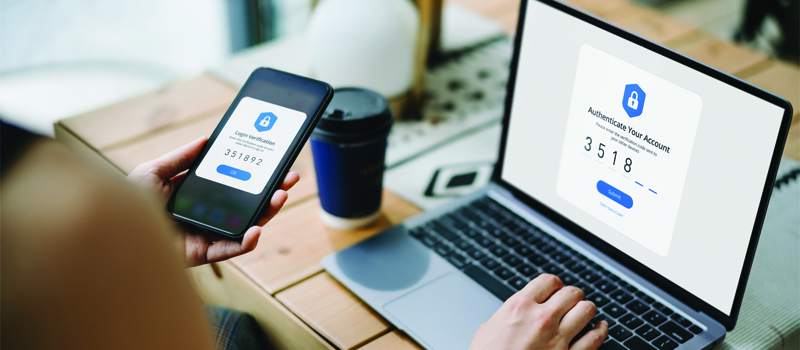
The best way to combat phishing is to use a rigorous verification process. For many people, this means setting up Two Factor Authentication (2FA) on their accounts through use of an authenticator app or passkey. With 2FA, you may need to input both your password and a unique temporary code sent to your email or phone. This additional dynamic layer of protection helps presents a significant barrier against scammers, even if they get access to some of your private data.
Social Engineering
Social engineering is closely related to phishing, but it relies more heavily on manipulating human emotions and trust. Scammers may pose as prospective employers, buyers or sellers on online marketplaces, or even use AI-generated content to convince victims to share personal information or send money.
The best way to mitigate the effects of social engineering scams is to approach situations with a healthy degree of skepticism. Keep in mind that even seemingly innocuous questions, such as the name of your pet or your child's birthday, can be used to guess your passwords.
IoT Attacks
The Internet of Things (IoT) refers to the interconnectivity of both residential and commercial systems. With an IoT attack, sometimes scammers only have to compromise one device to break into a larger system. For example, a scammer might break into a smart thermostat or doorbell to access a home or business.
IoT attacks often stem from overlooked devices, so it's important to upgrade your security across the board. In other words, just because the central system is on the latest version doesn't mean all devices within the system are.
It's worth noting that it's impossible to prevent all cybercrime. Technology moves too quickly to anticipate every possible move but you can spend time ensuring you are properly covered from any type of loss.