



How to Spot and Avoid Scams
How to Spot and Avoid Scams
Think you could spot an insurance scam? Scammers are becoming more sophisticated every year, and their schemes can cost Americans billions of dollars annually. Learn how these scams work, recognize the warning signs, and discover simple ways to protect yourself and your finances.
Spoofing
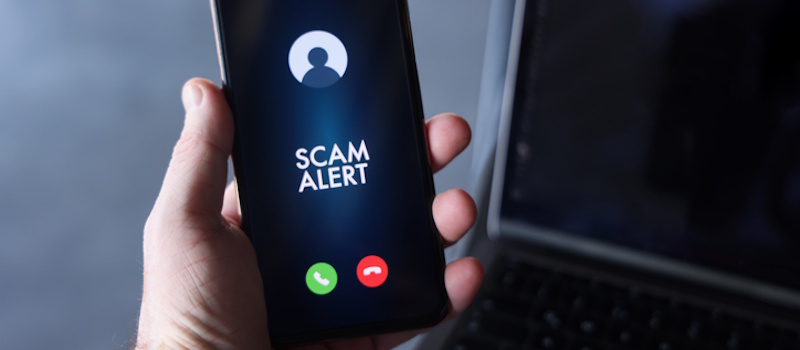
Spoofing occurs when a scammer disguises themselves as a legitimate official, whether via phone call, text message, or email. They might pretend to be an employee from your insurance company, and then leverage any available information to convince you that you need to take action on a specific matter, such as pay a bill, settle a claim, open a new policy, etc. They might also put pressure on you to take action quickly, threatening you with cancellation of your policy, for example.
Fraud
Sometimes, a scammer will have a legitimate profession and then try to trick or convince you to take certain action. For example, a home contractor might ask you to file certain damages after a natural disaster above and beyond those that occurred. Or an agent may attempt to sell you on a policy that you don't need, claiming that you or your loved ones will suffer dire consequences if you fail to act. These are often the hardest to spot because these so-called professionals may offer specific examples that may seem perfectly reasonable.
Staged Accidents
Scammers are becoming more sophisticated when it comes to staging accidents, sometimes even working in pairs to ensure that you're held at fault. For example, one driver might wave you through at a 4-way stop only to accelerate as you turn and deliberately crash into you. The driver and the passengers will then claim that you were never waved through and, to make it even more convincing, they might stage a second driver at the 4-way stop to swear that the scammer had the right-of-way. This can make it especially difficult to prove that they forced the situation.
How to avoid insurance fraud
Although it's not always possible to avoid being affected by a scam, there are things you can do to help minimize your risk:
- Protect your documents: Keep any sensitive information, including your policy number and financial records, in a safe place.
- Verify: Make sure that you follow up with a trusted source before you share information or take action, especially if the request comes from out of the blue.
- Document: Police reports, photos, and witness statements can help set the record straight in the case of a staged auto accident.
And finally, choose your insurance company wisely. A reputable provider will invest in strong security measures like two-factor authentication and data encryption to help keep your information safe.